
A SIGNATURE AVASH PROJECT
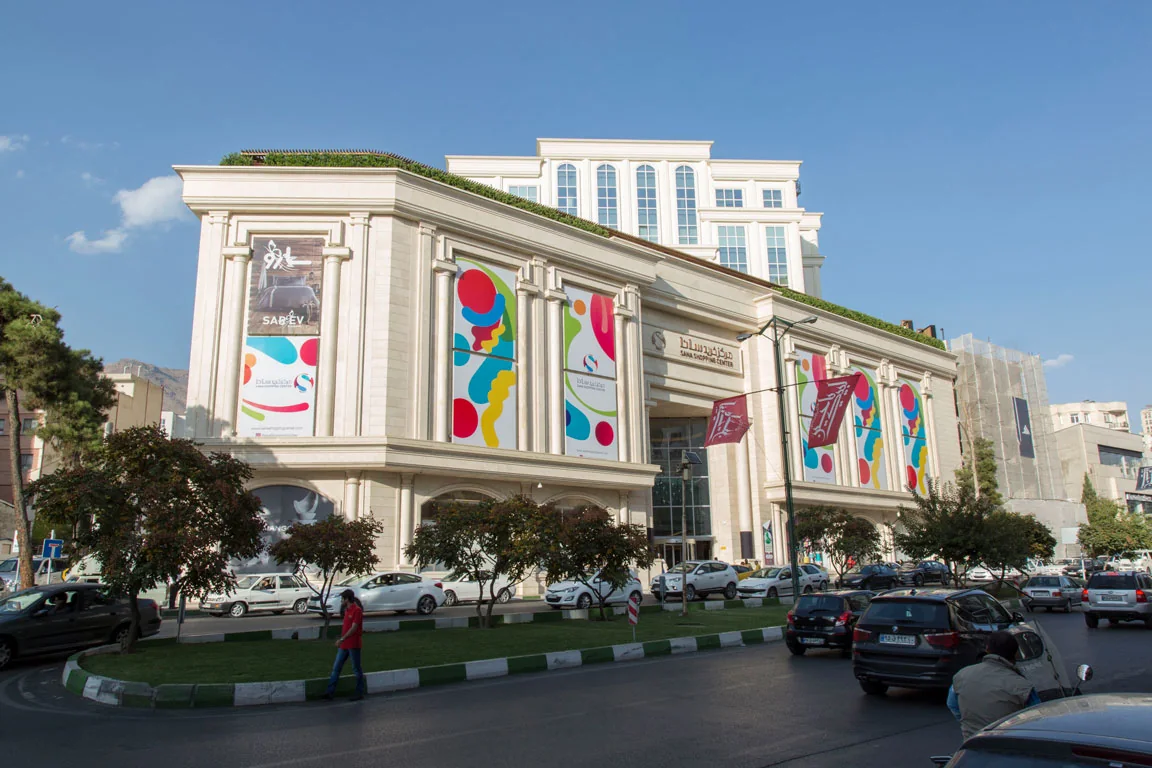
Sana Shopping Center
A complete audio system. Twenty rack units.
75,000 m² · 13 floors · Design to long-term support
THE PROJECT AT A GLANCE
Large in scale. Precise in every decision.
THE BRIEF
One system for very different spaces
From retail floors and offices to parking levels and the roof garden, Sana needed independent audio control, straightforward operation and a system built for daily use. AVASH took responsibility for design, equipment, installation, commissioning and ongoing support.
THE ENGINEERING CHALLENGE
24 zones. Just 20 rack units.
Without suitable technical rooms and ventilation on individual floors, the data centre was selected as the central equipment location. The constraint was tangible: only 20 rack units for amplification, processing and playback.
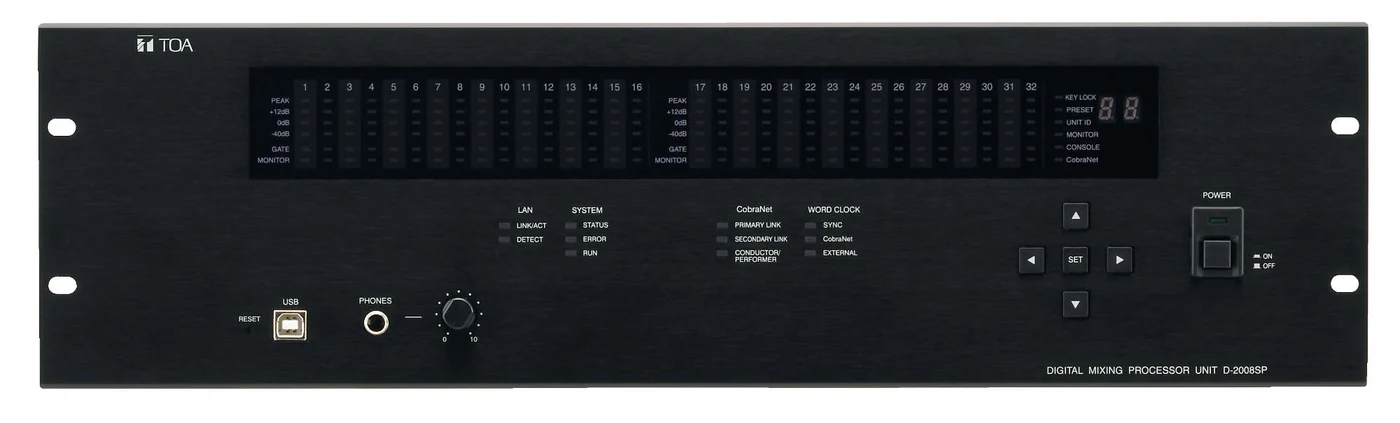
Operational analysis refined the initial 28-zone brief to 24 independent zones. Six four-channel TOA DA-500FH amplifiers delivered 24 channels and 12,000 W of rated output in 12U, leaving 8U for processing and playback.
CORE EQUIPMENT
The equipment behind the engineering

DESIGN DECISIONS
The decisions behind the system
Open each item to explore the engineering decision.
Why four-channel amplification?+
The constraint was not power alone; it was the ratio of power and channel count to occupied rack space. Each DA-500FH provided four independent 500-watt channels in a 2U chassis. Six amplifiers therefore served all 24 lines in 12 rack units—a result that would have demanded substantially more space with one- or two-channel models. This provided independent amplification for all 24 audio lines within the available rack space.
Why Denon HEOS Drive?+
The retail, office and public areas did not need to share the same audio content. Denon HEOS Drive provided four independent networked playback zones in only 2U, allowing each area to receive music suited to its purpose and atmosphere. Mobile-app and network control turned source management from a rack-side, multi-device task into a fast and flexible workflow. The compact unit combined independent playback with network and mobile-app control.
Why RM-9012C hardware paging?+
Paging in a large complex had to remain immediate, independent and dependable. The TOA RM-9012C multi-zone microphone gave operators direct zone selection and paging commands through dedicated hardware controls, without relying on a sound card, Windows software or an intermediary computer. Dedicated controls simplified paging operation without depending on a computer or its operating system.
Why TOA GS-302 outdoors?+
The landscaped areas required a transducer that could sit within planting without introducing a new architectural element, while maintaining controlled coverage. Fifteen TOA GS-302 garden transducers were set to 15-watt transformer taps. This provided outdoor coverage with minimal visual intervention and a better relationship to the landscape.
SOUND & ARCHITECTURE
Technology that belongs in its surroundings
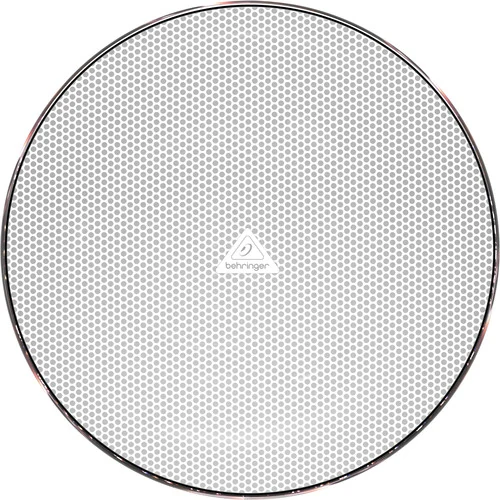
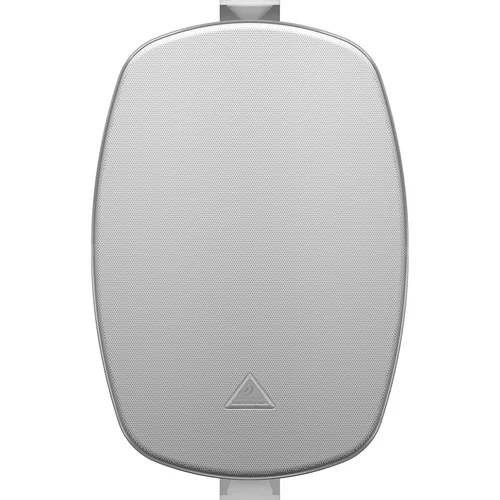
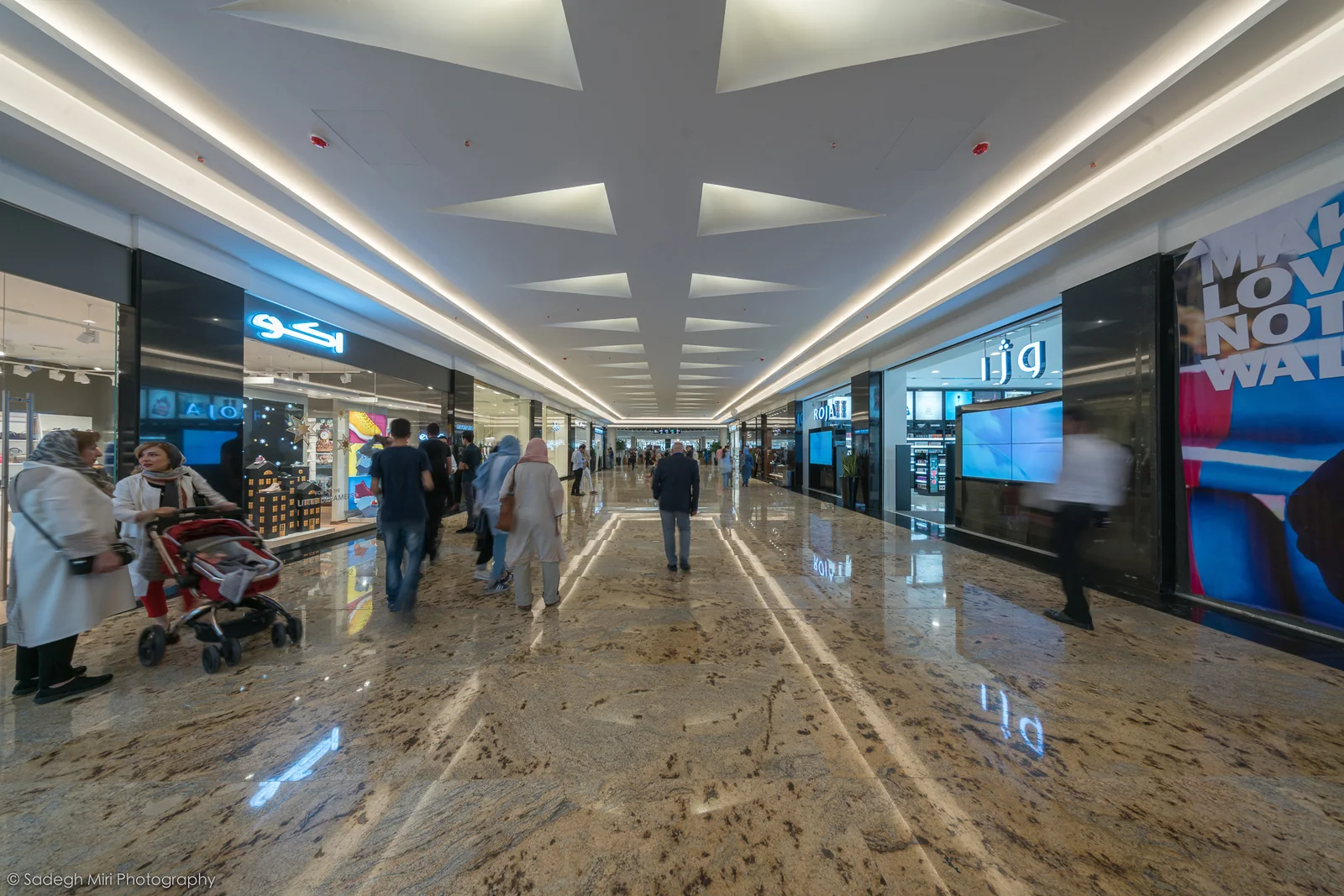
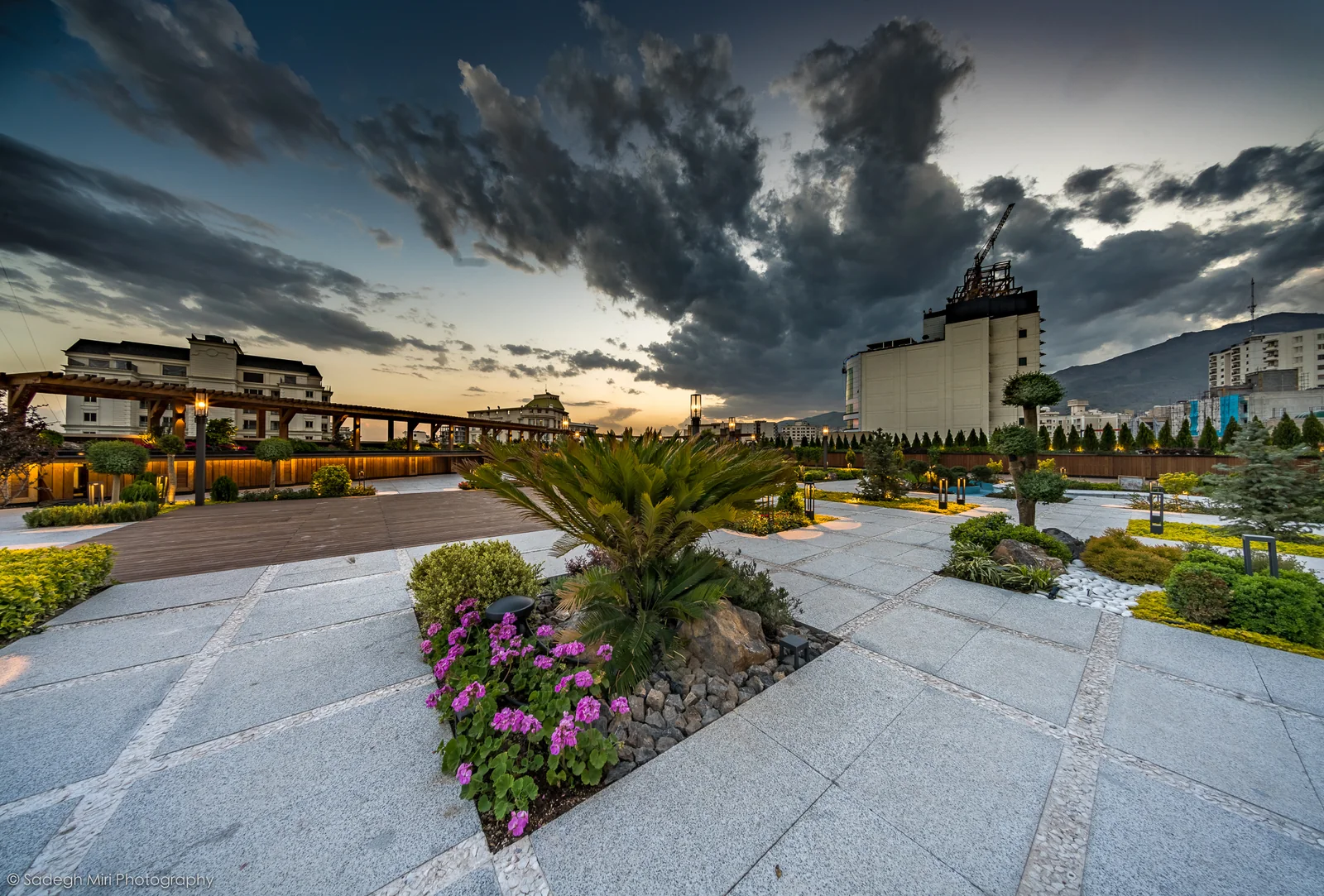
Indoor coverage, landscaped areas and parking each called for a different installation approach. The photographs show where those decisions became part of the architecture.
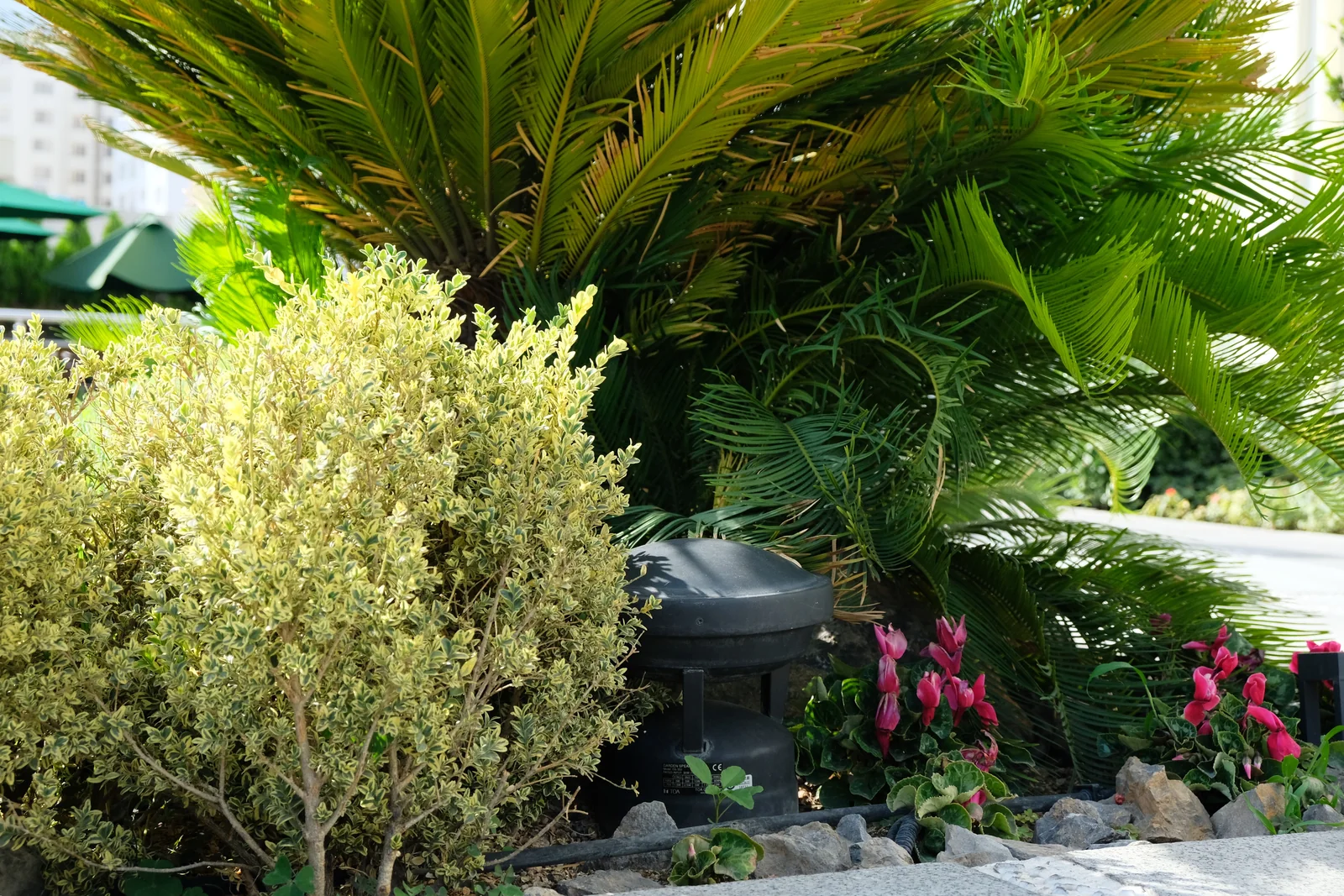
One of 15 garden transducers, set to a 15 W transformer tap and placed within the planting.
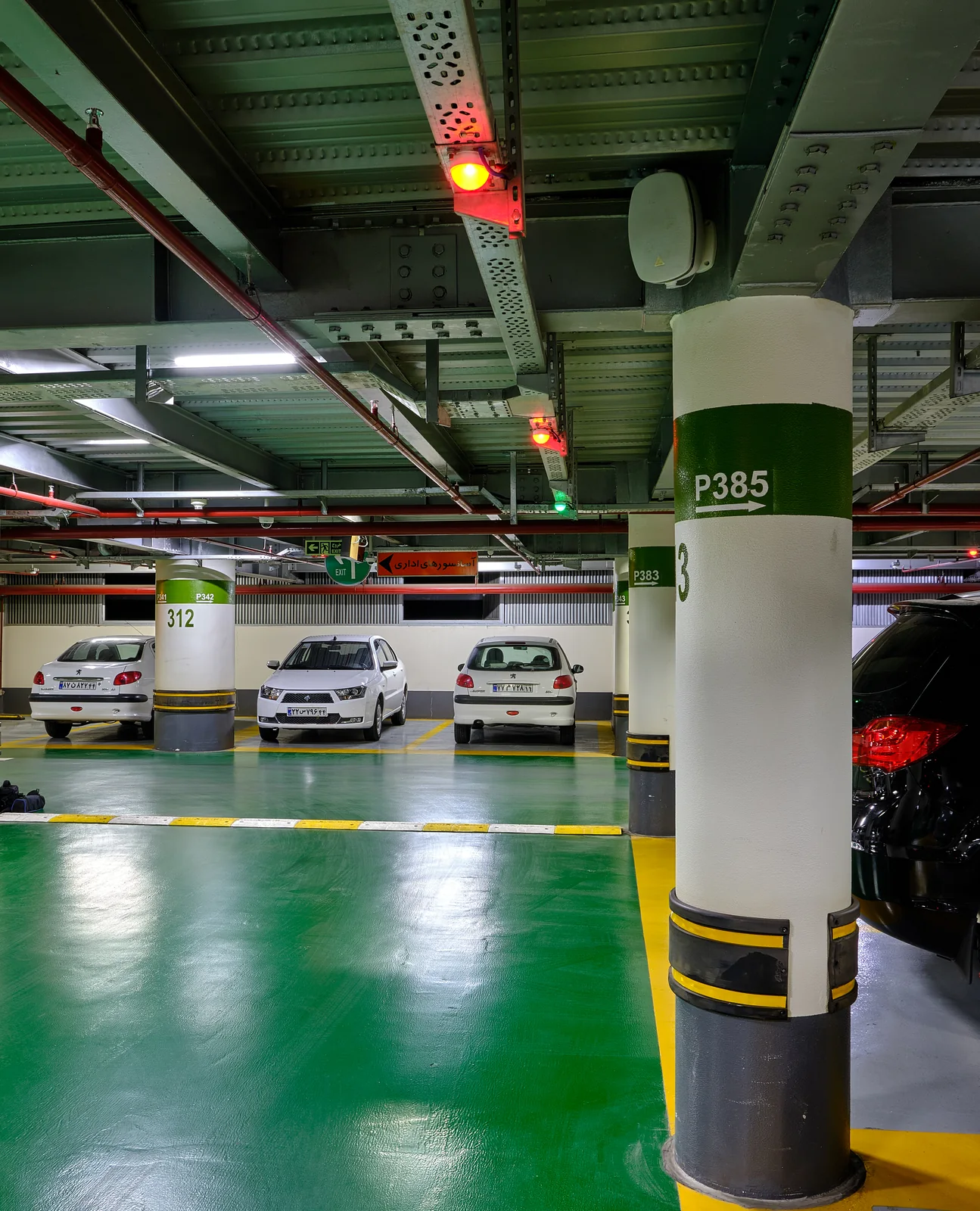
Mounted on the structure to provide audio coverage while keeping circulation routes clear.
DAILY OPERATION
Sound for the different moments of Sana
Sana’s audio system was designed for much more than background music. Workflows were developed with the operations team, senior managers and daily users to support normal trading, peak periods and events. A central controller in the control room simplified zone and source management for operators.
- Background music
- Public-address announcements and staff paging
- Pre-recorded announcements
- Prayer-time announcements
- Peak-period operation
- Events and special programming
- Live matches and scheduled programming
- Priority messages and emergency scenarios
SYSTEM DETAILS
From engineering to handover
View system specifications
- 24 independent lines ranging from approximately 330 to 770 metres
- Eight audio inputs for multiple sources and operating scenarios
- 24 independent amplifier channels in only 12 rack units
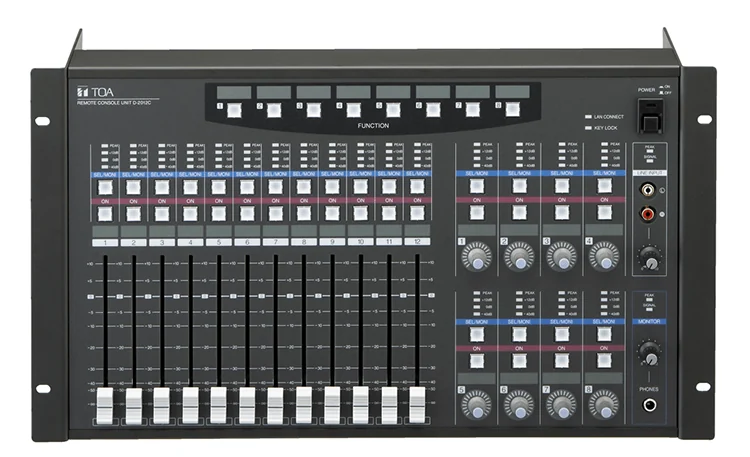
- Centralised zone and scenario control through TOA D-2012C
- At least 35% reserve capacity with expansion potential to 48 zones
- Transducer layouts, transformer tap schedules, line-load calculations and as-built documentation
View AVASH’s scope of work
- Audio-system architecture
- Equipment selection and supply
- Installation and cabling
- Programming and configuration
- Testing and commissioning
- Technical and as-built documentation
- Operator training
- Ongoing support and maintenance
LONG-TERM COMMITMENT
A record beyond the warranty
The value of the design became clear in operation. Following handover, AVASH retained six consecutive years of direct support and maintenance contracts. Across almost a decade of service, none of the main amplifiers has been removed for repair, no major redesign or replacement has been required, and the operating scenarios remain in daily use.
Based on AVASH’s project support records.PROJECT COLLABORATION
People behind the project

Sadegh Miri
Client representative
Ali Ghotbi
Architect
- Client
- Sana Gostarash Paydar Co.
- Architectural works contractor
- Shahram Kajouri
- Project start
- 21 January 2016
- Initial / official opening
- 10 May / September 2017
Brands used in this project
Inside the Project
Architecture, installation and system details
Plan a similar installation
Explore the design scope and information needed to start your project.
YOUR SPACE, YOUR REQUIREMENTS